This article focuses on the three key elements of grinding and polishing: selecting the right machine, considering the size of the workpiece, and choosing the appropriate abrasive medium. Mastering these factors is essential for achieving optimal surface finishes and enhancing the overall polishing process.
Selecting the right machine:
In surface treatment, commonly used machines include vibration polishing machines, drum polishing machines, centrifugal grinders, and eddy current polishing machines, among which vibration polishing machines and drum polishing machines are the most widely used.
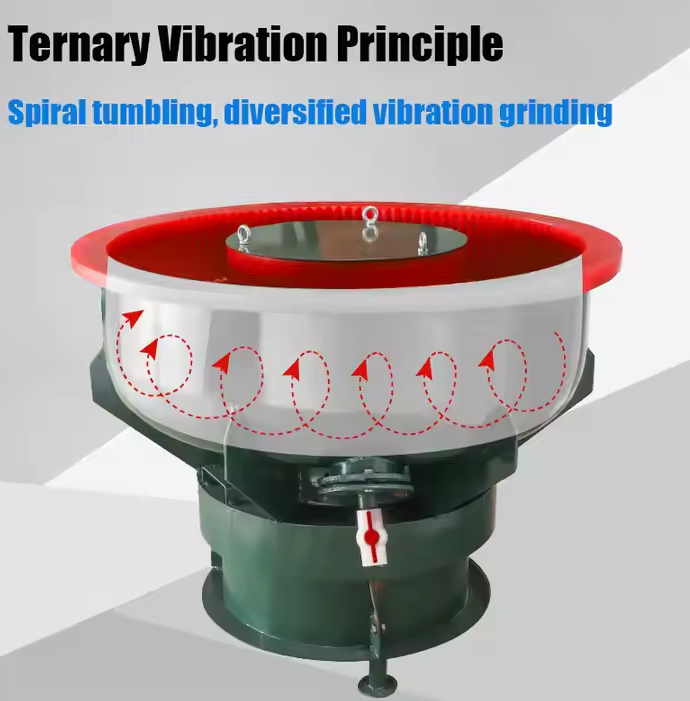
- The vibration polishing machine is easy to operate and is used for mass processing of various small and medium-sized parts.
- The drum polishing machine is one of the economical choices. When working, the parts and the grinding media rotate horizontally at a slow speed in a closed drum. It is often used for various small and thin parts. However, for parts with large planes, vibration polishers are prone to overlap during processing, so drum polishing machines are more suitable.
- The centrifugal grinder is actually a high-speed drum polishing machine. It is generally driven by a large plate to drive four (small machines also have two) centrifugal polishing barrels to rotate at high speed, with large friction and good polishing effect.
- The eddy current machine is also a high-speed polishing machine. The chassis rotates to form a strong overcurrent friction motion, which is used to remove die-casting lines, deburrs, and polish small parts.
Considering the size of the workpiece:
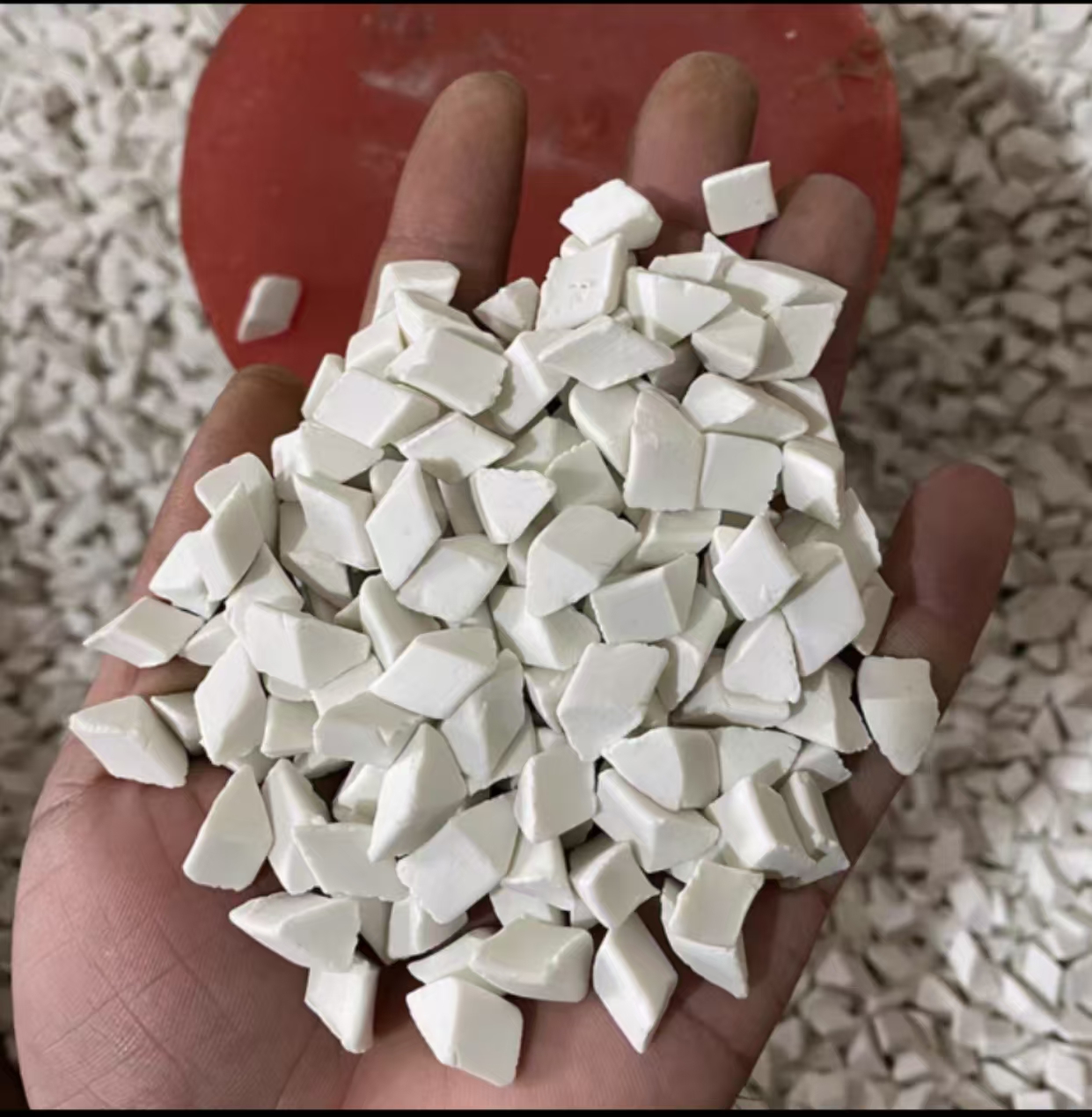
Parts of different materials, specifications and requirements require different machines and grinding media. For example, zinc alloy die-cast parts need to be descaled, so resin grinding stones should be used; zinc alloy die-cast parts are ground with brown corundum grinding stones, but the more they are ground, the darker they become; and stainless steel parts that are stamped need to be deburred, so brown corundum grinding stones with strong cutting force should be used...
Choosing the appropriate abrasive medium:
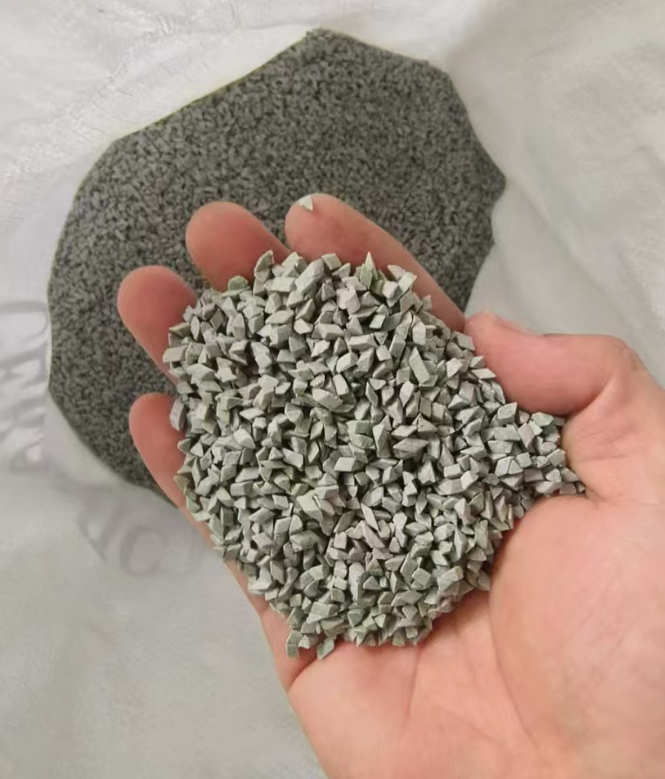
- Corundum, silicon carbide, and ceramics are widely used in polishing ferrous and non-ferrous metal workpieces that are easily deformed. Especially when polishing non-ferrous metal workpieces, it can maintain the original metal color. It is mostly used for dry processing, or after being soaked with kerosene.
- Leather and felt are relatively soft abrasives, which are particularly suitable for polishing and brightening workpieces. When using, an appropriate amount of fine abrasives such as chromium oxide and corundum are often added. Leather and felt have a small specific gravity and are easily separated from the workpiece during vibration, floating on the workpiece and other abrasives, so leather and felt should be cut smaller when used.
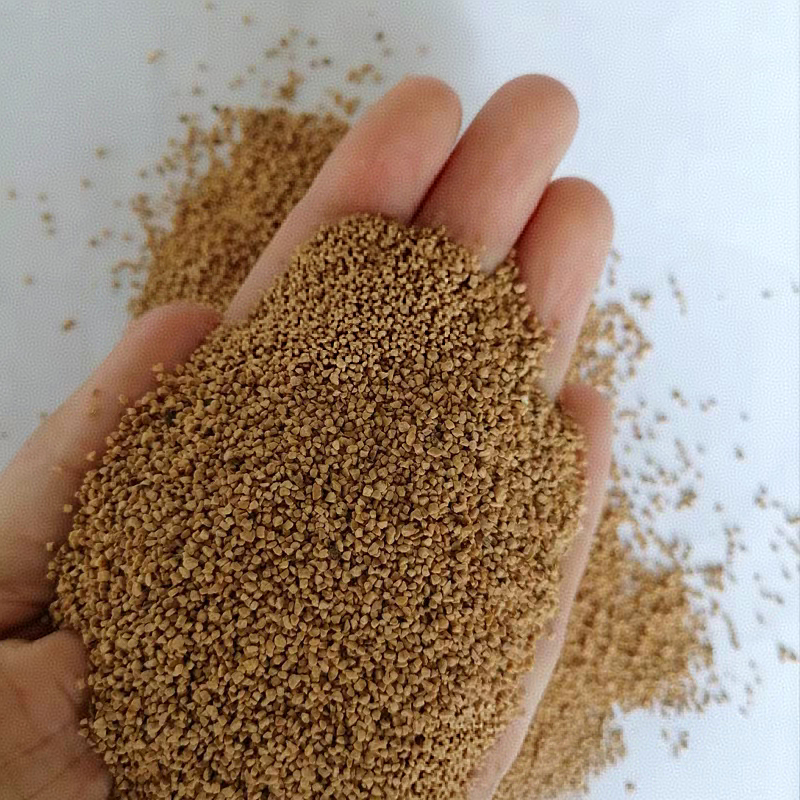
- Slaked lime is a very fine abrasive that is alkaline and is often used for polishing copper parts. In addition, sawdust, husks, etc. can also be used.
Summarize:
Practice has proved that when the grinding medium fully wraps the workpiece, the grinding and polishing effect is better. Generally, the ratio of the grinding medium to the workpiece volume is 2:1~6:1. Rough processing tends to the former and fine processing tends to the latter. Taking the vibration finishing polishing machine as an example, the length of the processing time should be determined according to the processing requirements and the selection of abrasive additives. However, it must be pointed out that when polishing the workpiece, the processing time should be strictly controlled, otherwise too long or too short processing time will directly affect the processing quality.
A large number of process tests have found that the surface of the workpiece is bright and shiny after roller polishing, and the active metal molecules on the surface are exposed to the air nakedly and quickly oxidized and blackened, and then rusted. Additives are solutions prepared by one or more solutes, which play an important role in vibration finishing. Reasonable selection of additives can make the processed workpiece bright and beautiful, with bright colors; prevent the workpiece from rusting, lubricate and protect the workpiece surface; and keep the grinding block clean and sharp at all times, thereby improving the work efficiency of vibration finishing.
